Widowmaker: Living and Dying with the Corsair
Widowmaker: Living and Dying with the Corsair
Couldn't load pickup availability
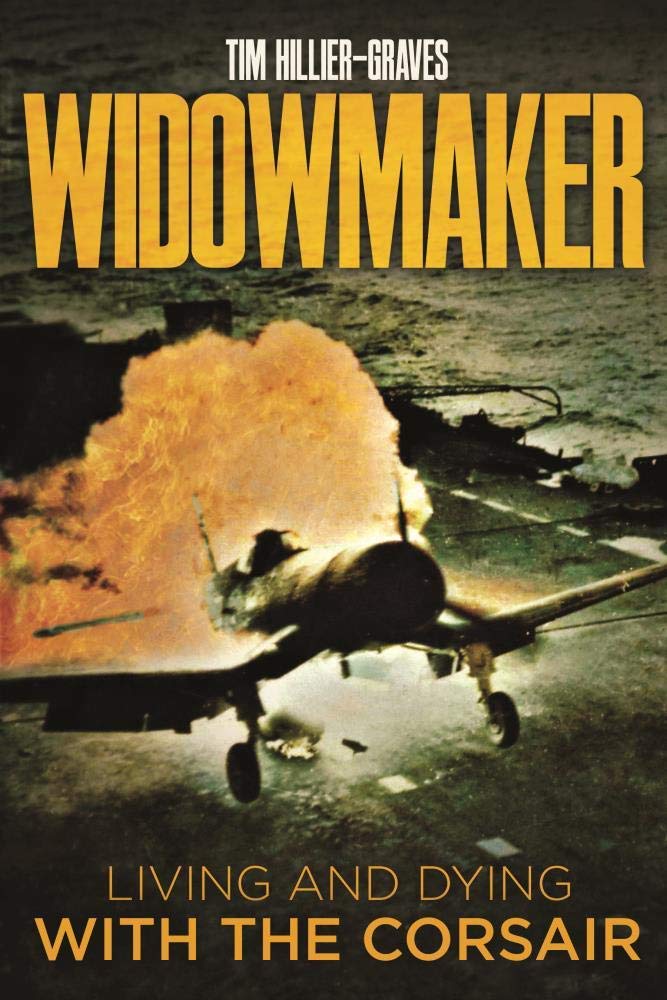
Covers the development of the Corsair for the US Navy, why it was condemned for carrier use, and how British pilots used it. “Despite everything, I felt very lucky to have flown Corsairs. They were the best, you know, even though it took me sometime to realize this when so many friends died flying them.” (Colin Facer, Corsair pilot, HMS Illustrious) The Vought-Sikorsky Corsair was one of the most potent fighters of the Second World War. It was also one of the most flawed. Conceived by Rex Beisel, Vought’s Chief Designer in 1938, the US Navy condemned it as being too dangerous for carrier operations and refused to certify it safe for use at sea. With the British Aero Industry unable to build fighters with sufficient range and potency for carrier use, the Admiralty sought alternatives. With the Roosevelt's Lend Lease program in place, they could acquire weapons from American factories. In practice, this meant standing in line behind the US Navy, Marines, and Army for service, but it still opened up new opportunities to be exploited. So, with newly built Corsairs being stockpiled and the promise of an improved version on the way, the Royal Navy saw a opening worthy of development and exploited it. By the end of the war, the Fleet Air Arm had acquired more than 2,000 Corsairs to equip its squadrons. But the risks identified by the USN were largely ignored by the Royal Navy and far too many men and aircraft were lost in accidents as a result.