
Reading Children: Literacy, Property, and the Dilemmas of Childhood in Nineteenth-Century America (Material Texts)
Reading Children: Literacy, Property, and the Dilemmas of Childhood in Nineteenth-Century America (Material Texts)
Couldn't load pickup availability
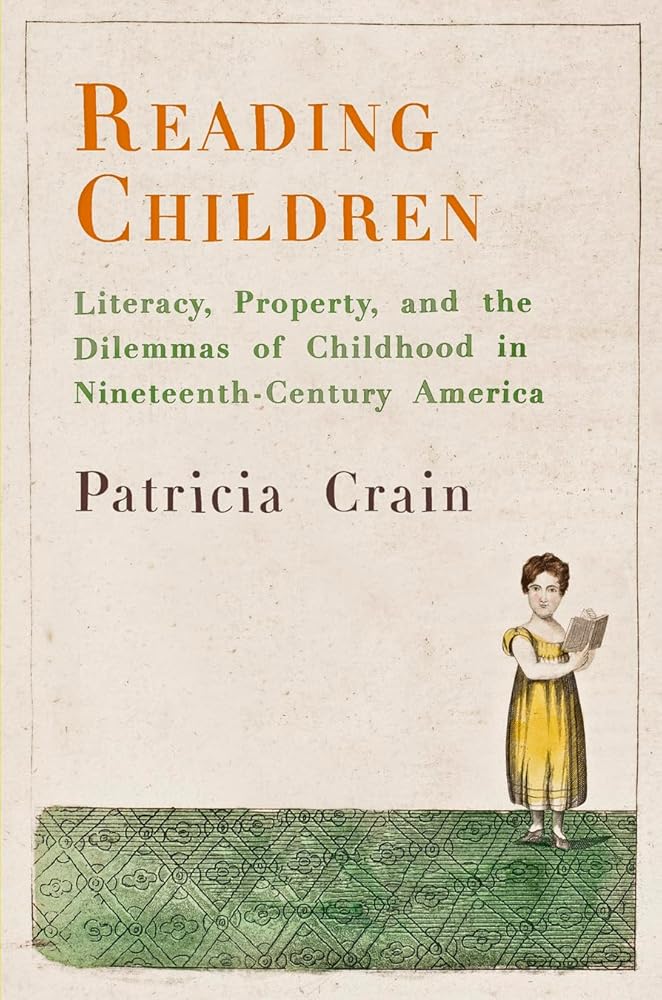
What does it mean for a child to be a "reader" and how did American culture come to place such a high value on this identity Reading Children offers a history of the relationship between children and books in Anglo-American modernity, exploring long-lived but now forgotten early children's literature, discredited yet highly influential pedagogical practices, the property lessons inherent in children's book ownership, and the emergence of childhood itself as a literary property. The nursery and schoolroom version of the social contract, Crain argues, underwrote children's entry not only into reading and writing but also into a world of commodity and property relations. Increasingly positioned as an indispensable form of cultural capital by the end of the eighteenth century, literacy became both the means and the symbol of children's newly recognized self-possession and autonomy. At the same time, as children's legal and economic status was changing, "childhood" emerged as an object of nostalgia for adults.
